LEEP stands for Loop Electrocautery Excision Procedure . Prior to spring into whether LEEP is effectual or not , get us first understand what LEEP is and what it is used for .
What is LEEP and What Is It Used For?
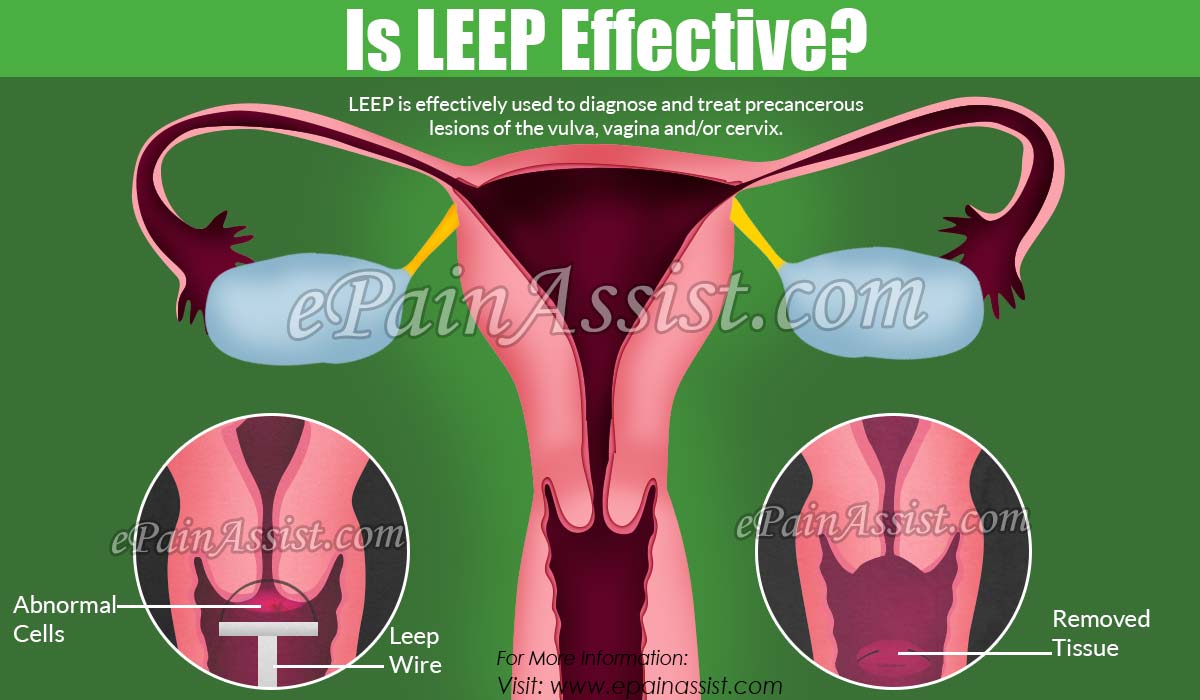
LEEP is also known as large loop cutting out of the shift zone ( LLETZ ) . In this procedure , a low voltage electric current is lead through a telegram loop to heat it and excise dysplastic tissue paper of the neck , vagina , or vulva . LEEP can either be used as a diagnostic biopsy procedure or as a discussion for dysplasia . LEEP is rather quite popular because it is simple to perform , is inexpensive and has less risk and side - effects compare to other procedures such as CO2 ablation or cryocautery . The recuperation time is also less with LEEP .
Is LEEP Effective?
LEEP is in effect used to diagnose and deal precancerous lesions of the vulva , vagina and/or cervix . It is mostly used to treat most of the causa of dysplasias , let in severe dysplasia and some providentially chosen cases ofcervical Crab .
What is a Precancerous Lesion?
A precancerous lesion is a wound in which the cells are abnormal and have a propensity of acquire into Crab over prison term if lead untreated . Precancerous lesions are also known as premalignant lesions . The abnormal cells when viewed under microscope are termed as dysplastic jail cell and the condition is know as dysplasia . These dysplastic cubicle can show different levels of mental defectiveness . When only few cells are abnormal it is termed as soft dysplasia , if there are moderate unnatural mobile phone it is term as moderate dysplasia and if most of the cells are unnatural then it is termed as terrible dysplasia .
The cervical dysplasia or premalignancy can be classified into :
scummy mark squamous intraepithelial lesion ( LSIL):Earlier it was classified as balmy dysplasia or cervical intraepithelial neoplasia I ( CIN I ) .
in high spirits degree squamous intraepithelial wound ( HSIL):Earlier it was classify under moderate to serious dysplasia . This also includes cervical intraepithelial neoplasia II ( CIN II ) , cervical intraepithelial neoplasia III ( CIN III ) and carcinoma in situ or glandular carcinoma in situ ( AIS ) .
These precancerous conditions are initially screened with the help ofPap smearand / orHPV(human papilloma virus ) and if it is incur to be abnormal or HPV examination is overconfident , then further biopsy is required to confirm the diagnosing . When the diagnosing is confirmed then further treatment is done to prevent onward motion into cervical cancer .
How is Cervical Dysplasia Treated?
Low grade squamous intraepithelial lesion is usually left untreated and is monitored with annual Pap smear / HPV screening for resolution . Most of the LSIL firmness over a period of 1 to 2 old age . Treatment for high - grade squamous intraepithelial lesion is required and these include cutting out or destruction of the abnormal cervical electric cell .
The destruction or extirpation subroutine include carbon copy dioxide laser ( C dioxide laser photoablation ) , electrocautery andcryotherapy . Ablation routine are mostly not point for severe dysplasias or carcinoma in situ .
The excision or remotion subroutine are loop electrosurgical excision procedure ( LEEP ) , dusty knife conization ( CKC ) and hysterectomy .
LEEP or CKC are mostly used for the intervention of precancerous cervical dysplasias . However , LEEP is the most pop treatment choice as it is simpler , cost - effective procedure which can be done in an outpatient place setting under local anaesthesia , opposed to cold tongue conization that is carried out under general anesthesia . Also LEEP is prefer in women who desire fertility preservation as it has slightly lower risk than cold knife conization . Both the procedure have risk of post - excision hemorrhage and/or cervical narrowing ( stenosis ) , but are less in LEEP in comparison to CKC . Hysterectomy is the removal of womb and is reserved for repeated or persistent cervical dysplasias after the intervention with other handling procedures . It is usually not the first railway line of handling for dysplasias . The final discussion count on the discretion of doctor .
The efficacy of LEEP has been comparable to CO2 laser , electrocautery , cryotherapy and cold knife conization . It is a highly effective procedure and has become the most popular procedure amongst all the above procedures for cervical dysplasia , given its efficacy , simplicity , cost - effectiveness and low-toned risks . The dysplasia resolution rate is 90 to 95 % , and has return rate of 5 to 10 % . It involve regular follow - up showing for cervical cancer bar .
Also Read :
